If you find yourself in the sun-drenched desert of Scottsdale and have even a passing interest in racing, automotive history, or precision engineering, a visit to the Penske Racing Museum should be high on your list. Tucked into a polished corner of Scottsdale’s luxury automotive district, this museum delivers far more than a static display of race cars. It offers a vivid, immersive journey into one of the most successful teams in motorsports history, combining iconic vehicles, historic trophies, and a story of relentless innovation.
Owned and curated by Team Penske and its legendary founder Roger Penske, the museum stands as both a tribute and a living archive of racing excellence. Whether you’re a die-hard IndyCar enthusiast, a NASCAR follower, or simply someone who appreciates beautifully engineered machines, the experience is engaging, educational, and surprisingly accessible.
A Legacy of Speed and Innovation
To truly appreciate the Penske Racing Museum, you need to understand the legacy behind it. Team Penske is not just another racing outfit; it is one of the most dominant organizations in motorsports history. Since its founding in 1966, the team has accumulated hundreds of race wins, dozens of championships, and an unmatched record at the Indianapolis 500.
Roger Penske, often referred to as “The Captain,” built his empire on a philosophy of discipline, innovation, and attention to detail. That philosophy is evident throughout the museum. Every car, every display, and every plaque tells a story—not just of speed, but of strategy, teamwork, and technological advancement.
As you walk through the exhibits, you begin to see how racing evolved over the decades. From early open-wheel machines to modern aerodynamic marvels, the progression reflects broader trends in engineering, safety, and performance.
The Museum Experience
Stepping inside the Penske Racing Museum feels more like entering a high-end gallery than a traditional museum. The space is clean, modern, and thoughtfully designed, allowing each vehicle to stand out as a work of art.
The museum spans two levels, with the main floor housing an impressive rotating collection of race cars. These aren’t replicas or generic examples; they are authentic, race-winning machines. You might find an Indianapolis 500 champion sitting just a few feet away from a championship-winning NASCAR stock car.
Upstairs, you’ll discover a more intimate space featuring additional exhibits, trophies, and a viewing area that overlooks the showroom below. This layout encourages visitors to slow down and take in the details—from the intricate suspension systems to the sponsor decals that tell their own stories of racing partnerships.
The lighting and presentation elevate the experience. Each car is positioned to highlight its unique design features, making it easy to appreciate the craftsmanship and engineering that go into building a competitive race car.
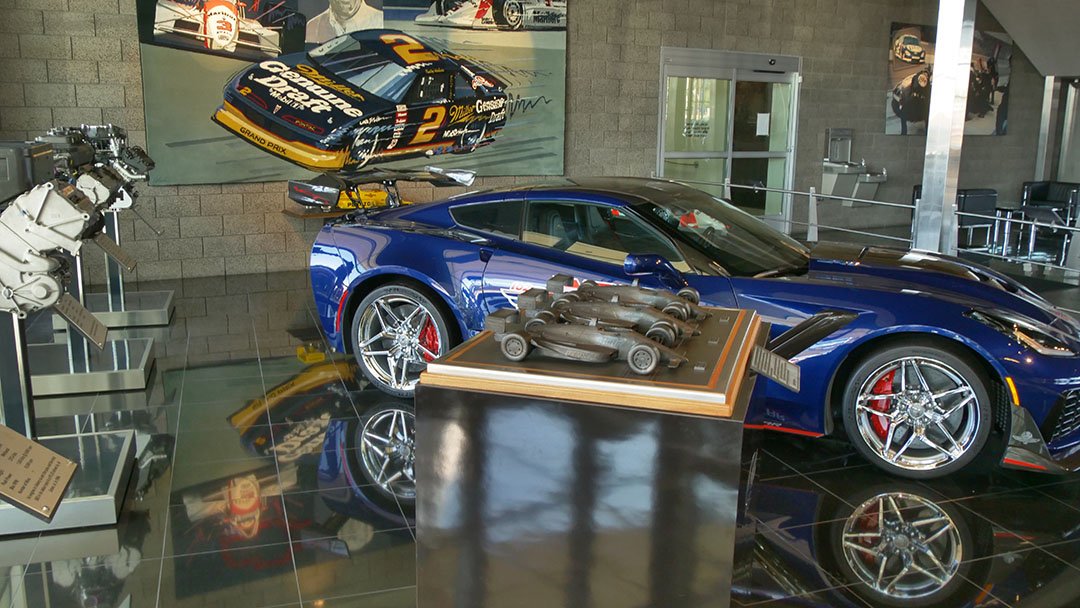
Iconic Cars and Historic Moments
One of the most compelling aspects of the museum is its collection of iconic vehicles. These cars are more than just machines; they are artifacts of historic moments in racing.
You may encounter the car that carried a driver to victory at the Indianapolis 500, often referred to as “The Greatest Spectacle in Racing.” You might also see vehicles associated with legendary drivers who helped define their eras.
Names like Rick Mears, Helio Castroneves, and Mark Donohue frequently appear throughout the exhibits. Their achievements are woven into the narrative of Team Penske’s success, and the cars they drove serve as tangible connections to those triumphs.
Each vehicle comes with detailed information about its history, specifications, and accomplishments. These descriptions help bridge the gap between casual visitors and hardcore fans, making the experience informative without feeling overwhelming.
The Indianapolis 500 Connection
No discussion of Team Penske would be complete without highlighting its extraordinary success at the Indianapolis 500. The museum dedicates significant attention to this iconic race, showcasing cars and memorabilia that celebrate Penske’s record-breaking achievements.
The Indianapolis 500 is not just another race; it is a cultural institution. Winning it requires a combination of speed, strategy, and endurance. Team Penske has mastered this formula, earning more victories than any other team in the event’s history.
As you explore this section of the museum, you gain a deeper appreciation for what it takes to compete at this level. The cars themselves tell part of the story, but the accompanying displays—featuring driver suits, helmets, and trophies—add layers of context that bring the victories to life.
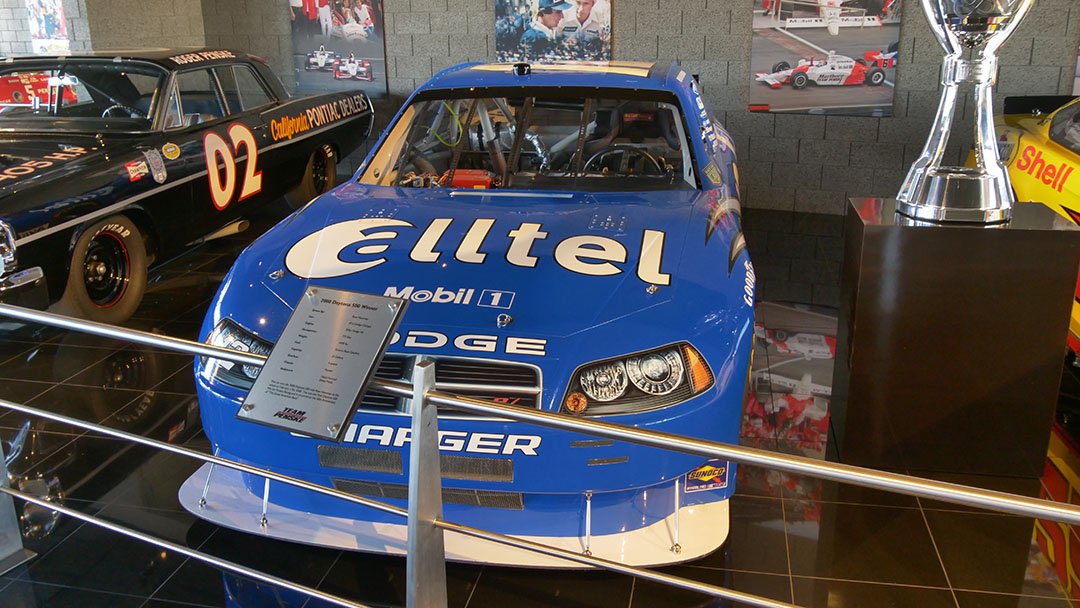
Beyond IndyCar: NASCAR and Sports Cars
While the Indianapolis 500 plays a central role, the Penske Racing Museum also highlights the team’s success in other disciplines, including NASCAR and sports car racing.
The NASCAR exhibits feature stock cars that competed at the highest levels of American racing. These vehicles differ significantly from open-wheel cars, offering a fascinating contrast in design and engineering. Where IndyCars emphasize aerodynamics and lightweight construction, NASCAR vehicles prioritize durability and power.
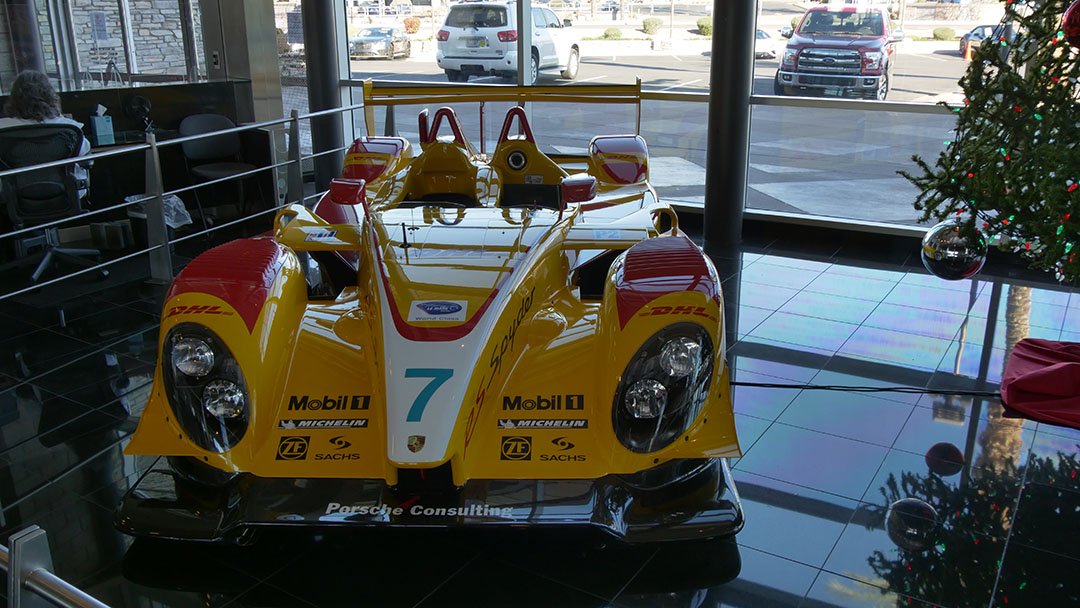
Sports car racing adds yet another dimension to the story. These endurance machines are built to perform over long distances, often in grueling conditions. The museum’s displays showcase how Team Penske adapted its expertise to excel across multiple formats, demonstrating versatility and innovation.
The Human Element
While the cars are undoubtedly the stars of the show, the museum does an excellent job of highlighting the people behind the machines. Racing is a team effort, and success depends on more than just a skilled driver.
Engineers, mechanics, strategists, and support staff all play critical roles. The museum’s exhibits emphasize this collaborative aspect, offering insights into how races are planned, executed, and won.
Roger Penske’s leadership is a recurring theme. His commitment to excellence set the tone for the entire organization, and his influence can be seen in every detail of the museum. From the meticulous presentation to the carefully curated exhibits, everything reflects a standard of quality that mirrors the team’s approach to racing.
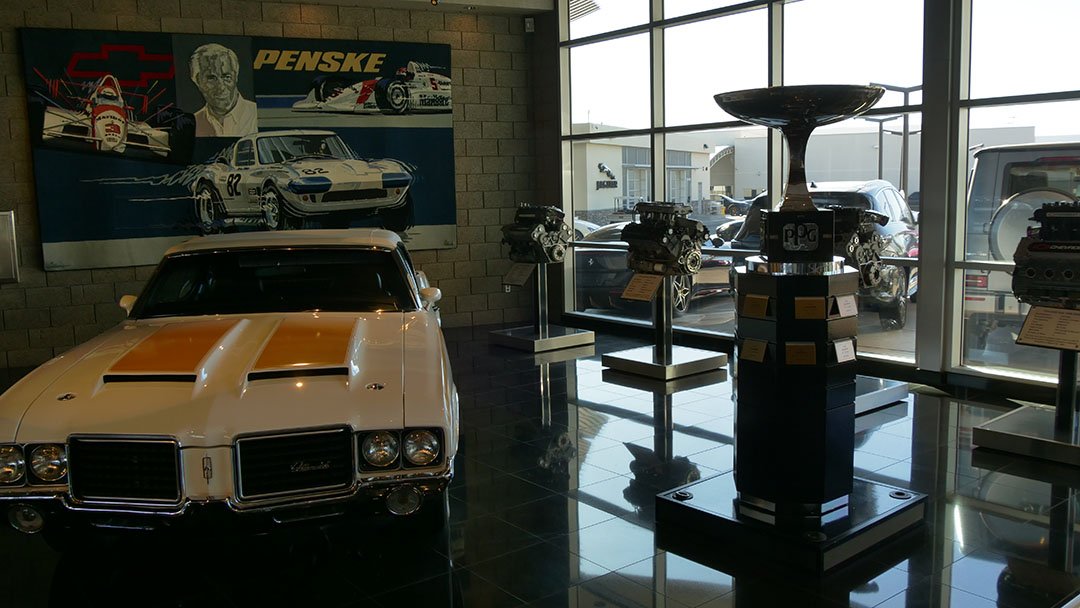
Location and Accessibility
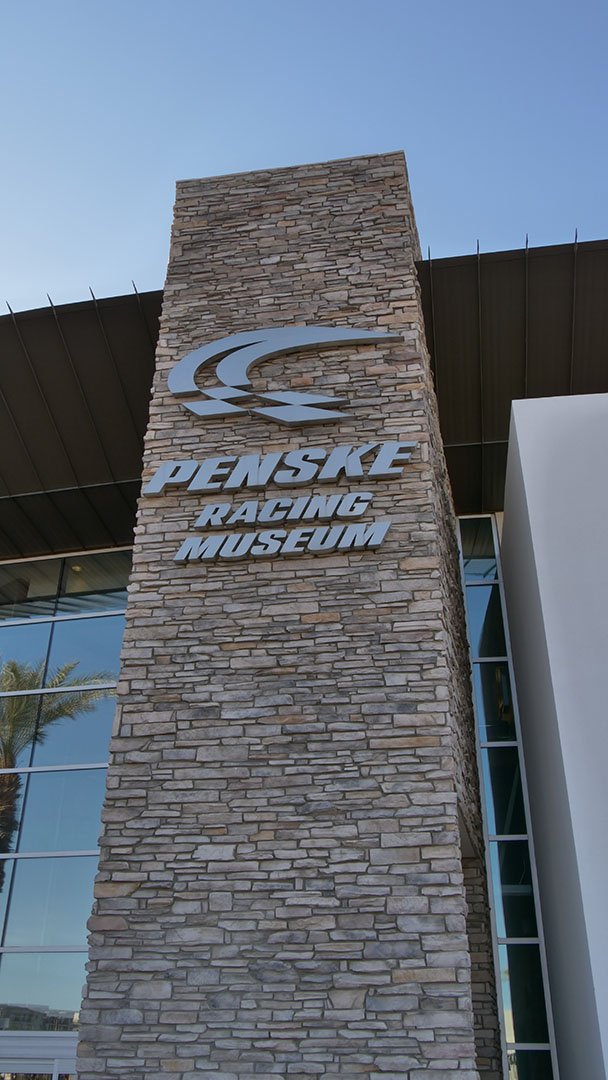
One of the most appealing aspects of the Penske Racing Museum is its location. Situated within the Penske Automotive Campus in Scottsdale, the museum is surrounded by luxury car dealerships, creating a unique environment for automotive enthusiasts.
The museum is easily accessible from major roads and offers ample parking, making it a convenient stop for both locals and visitors. Admission is typically free, which adds to its appeal as a must-visit destination.
Its proximity to other attractions in Arizona makes it easy to incorporate into a broader travel itinerary. Whether you’re exploring the Sonoran Desert, enjoying Scottsdale’s dining scene, or visiting nearby golf courses, the museum fits seamlessly into your plans.
Tips for Making the Most of Your Visit
To fully enjoy your visit, it helps to approach the museum with a sense of curiosity and a willingness to explore. Take your time with each exhibit, read the descriptions, and pay attention to the details that make each car unique.
Photography is generally allowed, so bring your camera or smartphone to capture the experience. The lighting and layout make it easy to take striking photos, whether you’re focusing on a single car or capturing the broader scene.
If you’re visiting with family or friends who may not share your enthusiasm for racing, the museum’s engaging presentation can still hold their interest. The combination of visual appeal and storytelling ensures that there’s something for everyone.
Why It Stands Out
What sets the Penske Racing Museum apart from other automotive museums is its focus and authenticity. Rather than attempting to cover every aspect of automotive history, it zeroes in on one organization and tells its story exceptionally well.
This focused approach allows for a deeper, more meaningful experience. You’re not just looking at cars; you’re engaging with a narrative of innovation, competition, and achievement.
The museum’s connection to an active racing organization also adds a sense of immediacy. The story isn’t confined to the past; it continues to unfold, with new victories and milestones adding to the legacy.
 Learn more: Frank Lloyd Wright Spire
Conclusion
A visit to the Penske Racing Museum in Scottsdale offers a rare opportunity to step into the world of elite motorsports without needing a pit pass or race ticket. It combines history, technology, and storytelling in a way that is both accessible and deeply engaging.
Whether you’re a lifelong racing fan or simply curious about what makes these machines and teams so special, the museum delivers an experience that is both educational and inspiring. It stands as a testament to what can be achieved through dedication, innovation, and a relentless pursuit of excellence.
If your travels bring you to Scottsdale, make time for this hidden gem. You’ll leave with a greater appreciation for the art and science of racing—and perhaps a newfound admiration for the people and machines that define it.
Penske Racing Museum
7191 East Chauncey Lane
Phoenix, AZ 85054
