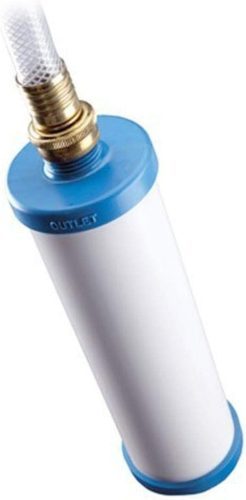
For any seasoned RVer, the one constant challenge across all campgrounds is water quality. From the chlorine-heavy municipal sources to the sediment-filled well water at a remote state park, the water feeding your recreational vehicle is rarely consistent, and often, it is far from ideal. This is precisely why the humble inline RV water filter is one of the most critical, yet often overlooked, pieces of equipment for your mobile home. It serves as the frontline defense for your entire water system, protecting your appliances and, most importantly, ensuring the water you drink, cook with, and shower in is safe and palatable.
Why Every RVer Needs an Inline Filter
Many modern RVs come equipped with a built-in water filter system, which is a great starting point. However, an external inline filter offers a crucial layer of pre-filtration before the water even enters your RV’s plumbing. These filters connect directly to your water hose, filtering the water before it reaches your holding tank or the built-in filters inside your rig. This essential step has two major advantages. First, it captures large sediment, rust, and dirt particles that could otherwise clog your onboard filters, shower heads, or even damage your water pump over time. Second, it immediately begins the process of removing chlorine, sulfur, and other aesthetic impurities that give campground water its sometimes unpleasant taste and odor.
The filtration process in these compact, blue-cased devices typically involves two main components: GAC and KDF. Granular Activated Carbon, or GAC, is the powerhouse for improving taste and odor by absorbing chlorine and volatile organic compounds (VOCs). The Kinetic Degradation Fluxion (KDF) media works by using a redox (oxidation-reduction) process to remove or reduce heavy metals, inhibit the growth of bacteria, and extend the life of the carbon. Together, these technologies transform questionable campground water into something you can trust for all your daily needs, from brewing morning coffee to filling your fresh water tank.
Installation is Simple
One of the greatest appeals of an inline water filter is its simplicity and ease of use. Installation is a tool-free process that can be completed in under a minute, which is perfect for travelers who are constantly hooking up and tearing down camp. To install, you simply connect the filter to the water spigot using the male end of the filter. Then, connect your standard RV potable water hose to the female end of the filter, and then to your RV’s city water inlet. It is highly recommended to use a flexible hose protector or a short, flexible lead hose between the spigot and the filter. This simple accessory reduces strain on the connection point, preventing kinking and potential leaks.
Once everything is connected, you must always flush the new filter by turning the water on and letting it run through for a few minutes before hooking up to your RV. You will likely see some dark, charcoal-filled water initially—this is normal. Flushing removes the loose carbon fines and prepares the filter for use. After the water runs clear, you can safely connect your hose to your RV and enjoy your clean water. Don’t forget to always use a water pressure regulator before the filter to protect your entire RV system from high campground water pressure, ensuring your filter and plumbing are safe from bursts.
Choosing the Right Filter
While many inline filters look similar, they differ significantly in their micron rating, capacity, and the specific contaminants they are certified to remove. The micron rating indicates the smallest particle size the filter can block. Standard inline filters often operate around the 20-micron level, which is excellent for sediment and larger particles. However, premium options go as low as 5 or even 1 micron, which captures much smaller cysts and bacteria, offering a noticeably cleaner water supply. If you are a full-time RVer, pay close attention to the filter’s rated capacity—typically measured in gallons or months—as a higher capacity means fewer replacements throughout the season. Remember that your local water quality, especially if it is high in sediment, will always be the ultimate determinant of a filter’s true lifespan.
Top 5 Best-Selling Inline RV Water Filters: Detailed Review
Here is a breakdown of some of the most popular and best-selling inline RV water filters, providing a snapshot of their key features and performance trade-offs:
1. Camco TastePure KDF/GAC Inline Water Filter (The Blue Filter)
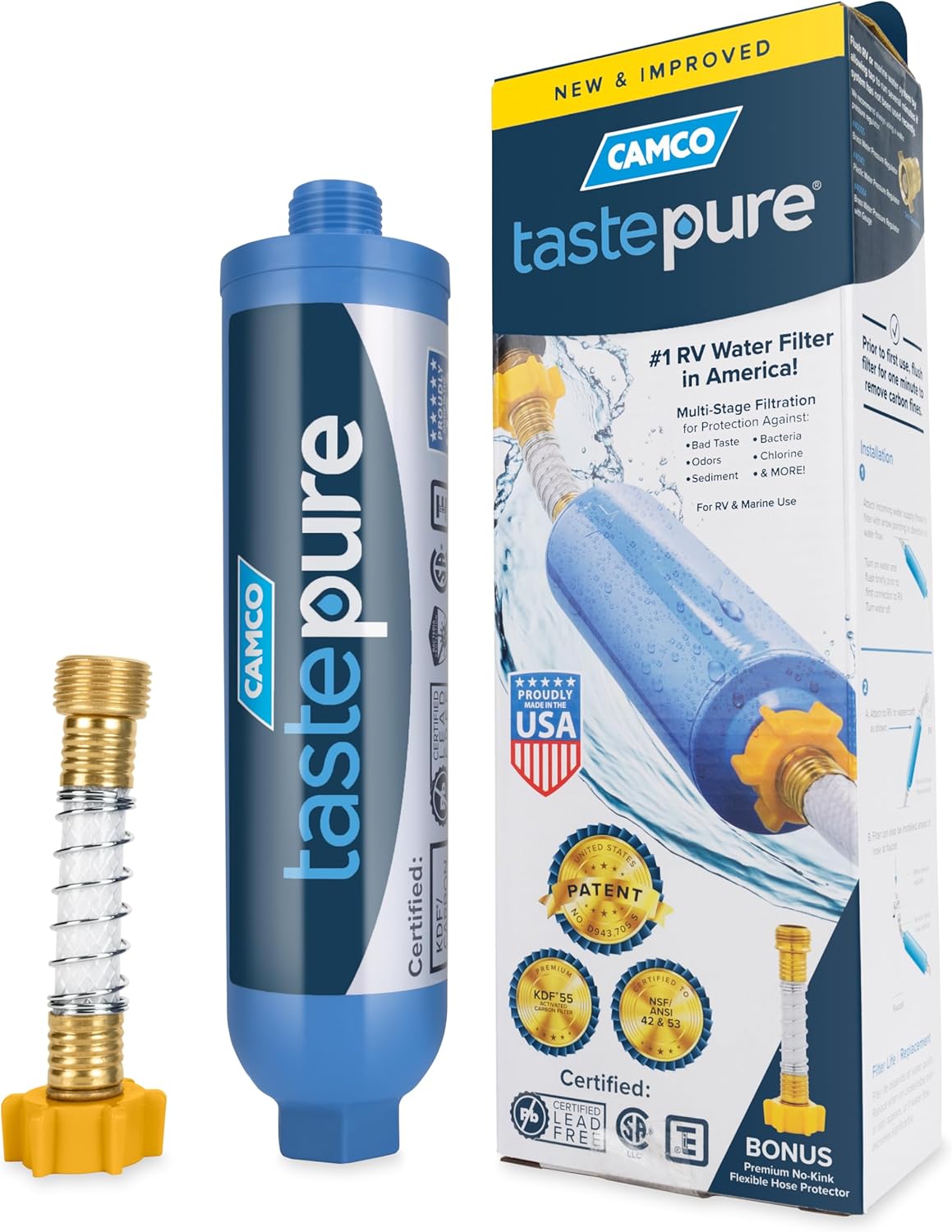
This is arguably the most recognizable filter in the RV world, known for its iconic blue color. It uses KDF and GAC (Granular Activated Carbon) to significantly reduce bad taste, odors, chlorine, and sediment. Typically features a 20-micron rating and is designed for a full camping season or a few thousand gallons of water. The filter often comes with a flexible hose protector to prevent kinking.
- Pros: Very affordable and widely available at most RV supply stores; incredibly easy to install; KDF media helps prevent bacterial growth inside the filter, a major benefit in hot weather.
- Cons: Higher micron rating (20 microns) means it’s less effective at filtering out very fine sediment and smaller cysts compared to other premium options; housing can sometimes be prone to leaks or internal breaks in rare instances, especially with high pressure.
2. Clear2O RV and Marine Inline Water Filter (5 or 1 Micron Options)
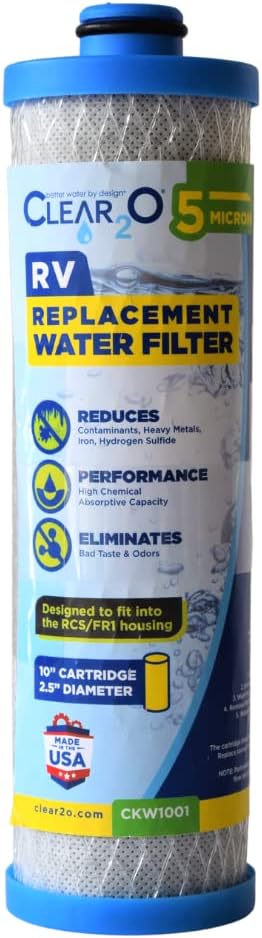
Clear2O sets itself apart with its solid carbon block technology, which it claims offers superior filtration down to 5 or even 1 micron—a significant improvement over granular filters. This fine filtration greatly reduces harmful contaminants, taste, odor, and chlorine, and is an excellent choice for clearer water. The solid block ensures that all water is forced through the entire carbon media.
- Pros: Superior filtration capabilities due to the low micron rating and solid carbon block design; excellent for removing rust and sulfur odors; available in a wide-body design for better flow rate.
- Cons: The 1-micron option can be very flow-restrictive, particularly in areas with high sediment, often requiring a separate sediment pre-filter to prevent premature clogging; generally a higher initial cost than the standard Camco filter.
3. Culligan RV-800 Exterior Water Filter with Hose
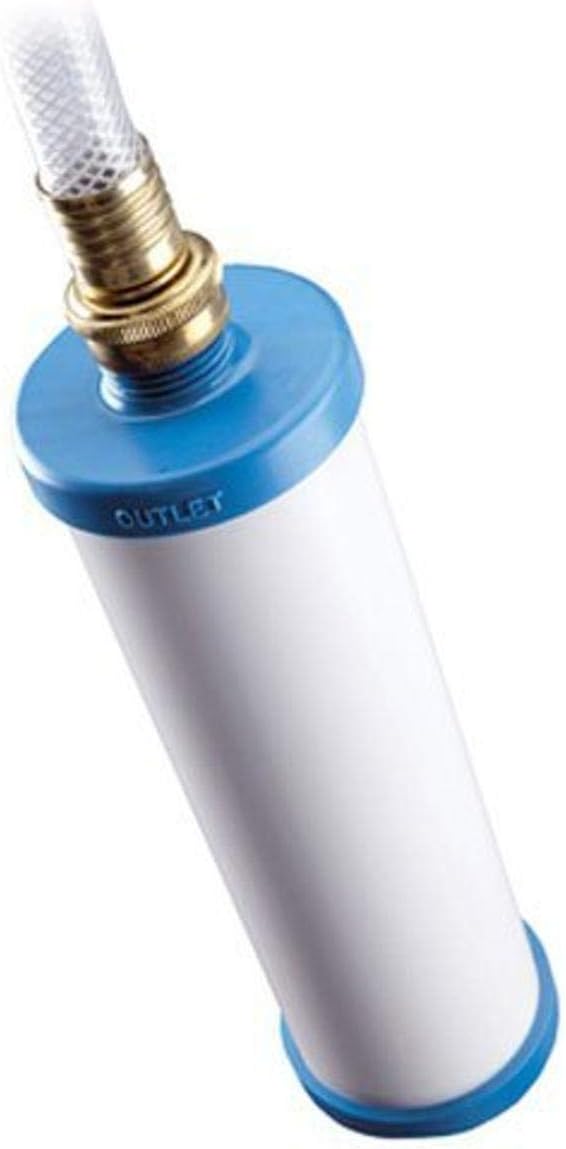
The RV-800 is a granular activated carbon filter that reduces sediment, dirt, rust, and aesthetic chlorine taste and odor. It is known for its high-flow rate and comes with a flexible 12-inch connector hose, which makes installation quick and easy by reducing stress on the spigot connection. It is rated for up to 2,000 gallons or one season.
- Pros: Excellent flow rate, often noted as being one of the best for maintaining water pressure, which is great for quick tank fills and strong showers; durable housing that some users report can withstand accidental freezing better than cheaper plastic filters; IAPMO R & T Certified for reliability.
- Cons: Higher initial investment than a basic inline filter; while durable, it is a larger size which takes up slightly more storage space than the slimline filters.
4. Waterdrop RV Inline Water Filter
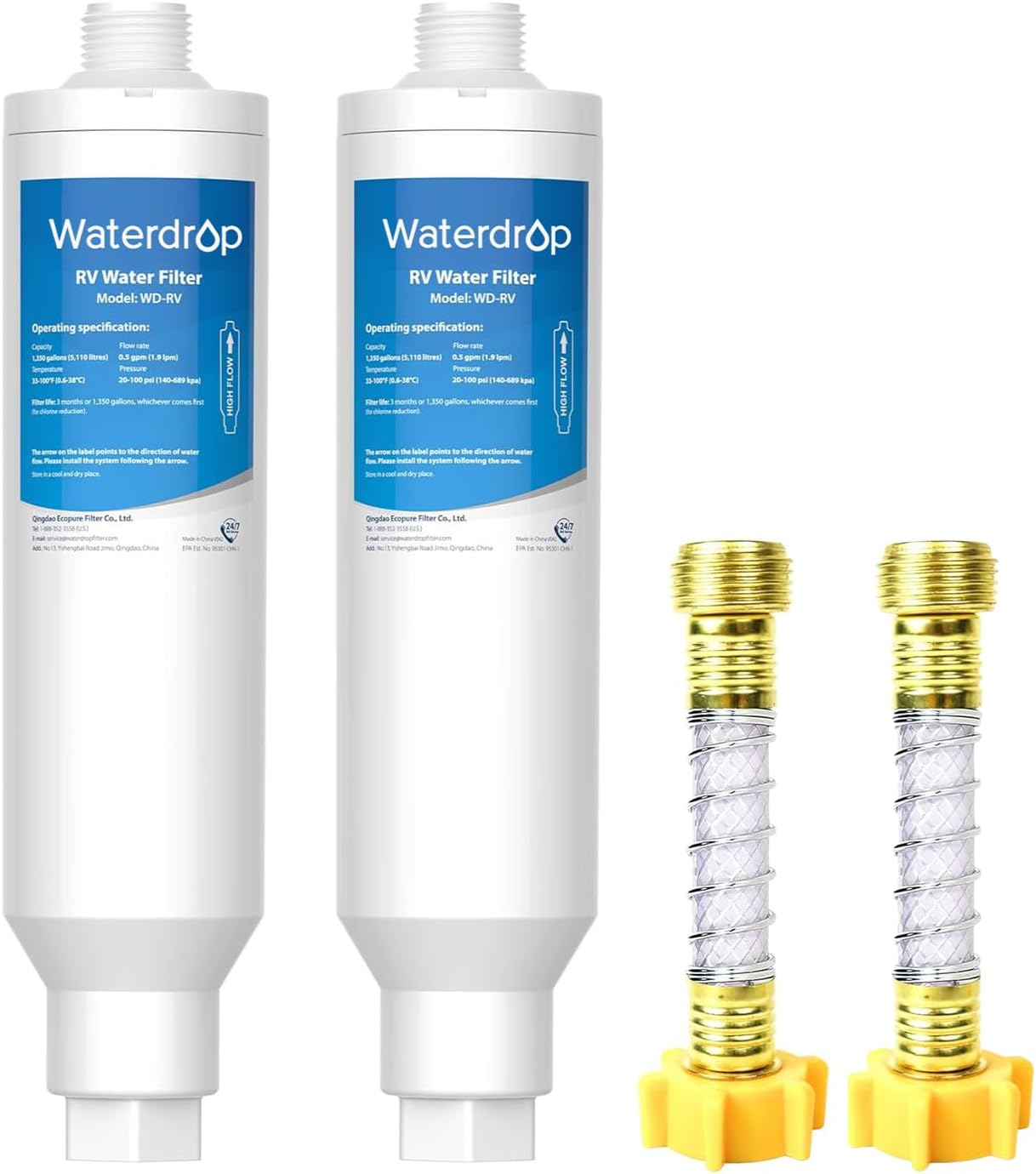
This option features a multi-stage filtration system utilizing both KDF and GAC technology, similar to Camco, but often marketed with higher reduction claims for contaminants like fluoride and heavy metals. It typically has a 20-micron rating and offers a robust plastic shell, frequently including a 360-degree rotatable hose and an anti-kink flexible hose protector for easy setup.
- Pros: NSF Certified for compliance with Standard 42 (chlorine reduction); multi-stage filtration is highly effective at reducing bad taste and odors; the included flexible hose protector is a convenient and practical addition for preventing leaks and kinking.
- Cons: Filtration is capped at 20 microns, limiting its ability to catch fine particulates; as with most standard inline filters, water conditions can drastically reduce the suggested 3-month lifespan.
5. Kohree RV Inline Water Filter
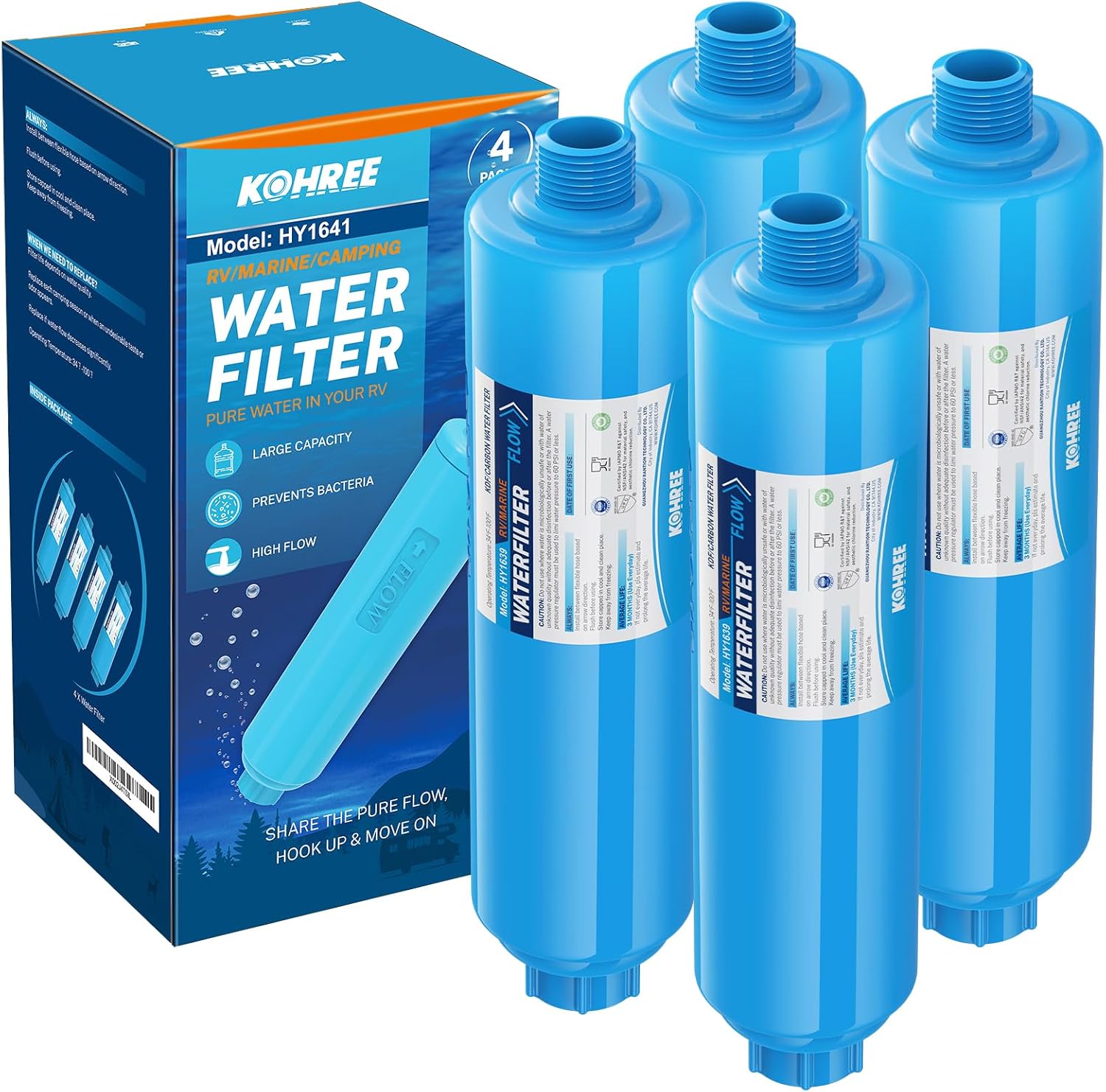
Often sold in multi-packs for great value, the Kohree filter features a 5-layer filtration system using GAC and KDF, certified as NSF and BPA-FREE. It aims for a balance of filtration quality and flow rate, claiming a high chlorine reduction rate and an estimated capacity of around 1056 gallons. Its robust, food-grade plastic shell is designed for durability during travel.
- Pros: Excellent value, especially when purchased in multi-packs; effective at chlorine reduction for noticeable taste and odor improvement; certified BPA-free and NSF for consumer confidence; simple to attach to any standard garden or water hose.
- Cons: Low flow rate specification (0.5 GPM) which may noticeably slow down water storage or tank filling compared to higher-flow competitors; primarily focuses on taste, odor, and chlorine reduction, and may not have the same heavy metal or cyst reduction capabilities of finer-micron filters.
👉 You Might Enjoy This: Soft Water: Why an RV Water Softener is a Must-Have
Conclusion: A Small Investment for Major Peace of Mind
The decision to use a high-quality inline RV water filter is an easy one for any RVer who values their health and the longevity of their vehicle’s plumbing system. While they all appear to perform the same basic function, the differences in filtration media, micron ratings, and flow rates mean there is a perfect match for every type of traveler. Whether you choose a high-capacity Culligan for its quick fill and durable housing, a Camco for its unbeatable value and ease of replacement, or a Clear2O for its superior 1-micron solid block filtration, the end result is the same: cleaner, safer, and better-tasting water. Integrating this simple, affordable piece of equipment into your setup provides instant peace of mind, allowing you to focus on the scenic views and the joy of the open road, not the quality of the water flowing into your tap.
