
Navigating the RV World: How to Choose the Perfect RV for Your Family
The dream of hitting the open road, exploring national parks, and creating unforgettable family memories in an RV is a powerful one. But when you start looking at options, the sheer variety can be overwhelming. From massive Class A motorhomes to nimble pop-up campers, how do you find the right fit for your family’s unique needs, travel style, and budget?
Choosing the wrong RV can lead to cramped quarters, storage headaches, and a lot of frustration. The right RV, however, becomes a home away from home, the perfect basecamp for all your adventures. This comprehensive guide will walk you through every major RV type, highlighting the pros and cons to help you make an informed decision.
Step 1: Answer the Big Questions First
Before you fall in love with a specific model, ask yourself and your family some crucial questions. Your answers will immediately narrow down your options.
- What’s Your Travel Style? Are you weekend warriors, seasonal campers, or planning to live on the road full-time?
- How Many People (and Pets)? Don’t just count the number of beds. Consider how much space everyone needs to live comfortably on a rainy day.
- Where Will You Go? Will you stick to paved roads and large RV parks, or do you dream of exploring remote off-grid locations with size and weight restrictions?
- What’s Your Budget? This includes not just the purchase price, but also fuel, insurance, maintenance, and campground fees.
Step 2: Breaking Down Your RV Options
Here’s a breakdown of the most common RV types, from the largest to the smallest.
Motorized RVs (You Drive Them)
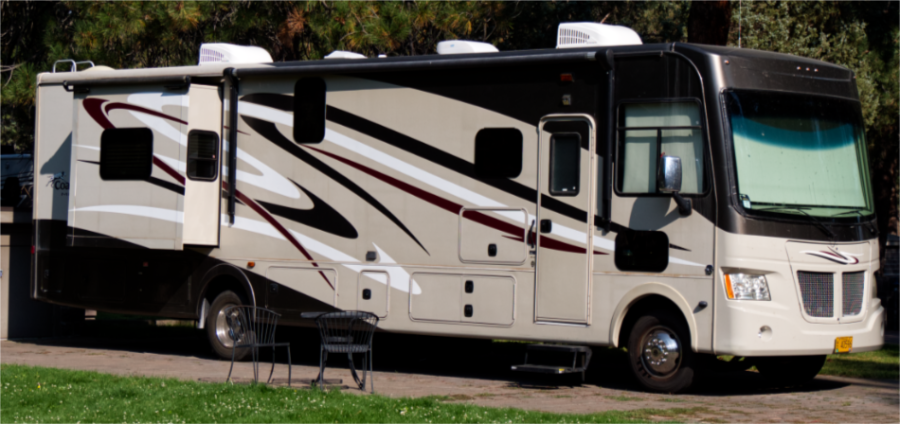
A Class A motorhome is the largest, most luxurious type of motorized RV—essentially a rolling home built on a commercial bus or heavy-duty truck chassis. They’re the kings of the highway, offering maximum space, comfort, and amenities for long-term travel or full-time living.
- Pros: Unmatched space and luxury, with residential-style appliances and amenities. You can access the living area while on the road. Huge windows offer great views. Can tow a car for day trips.
- Cons: Very expensive to buy and maintain. Poor fuel economy. Can be intimidating to drive and may not fit in all campgrounds or national parks.
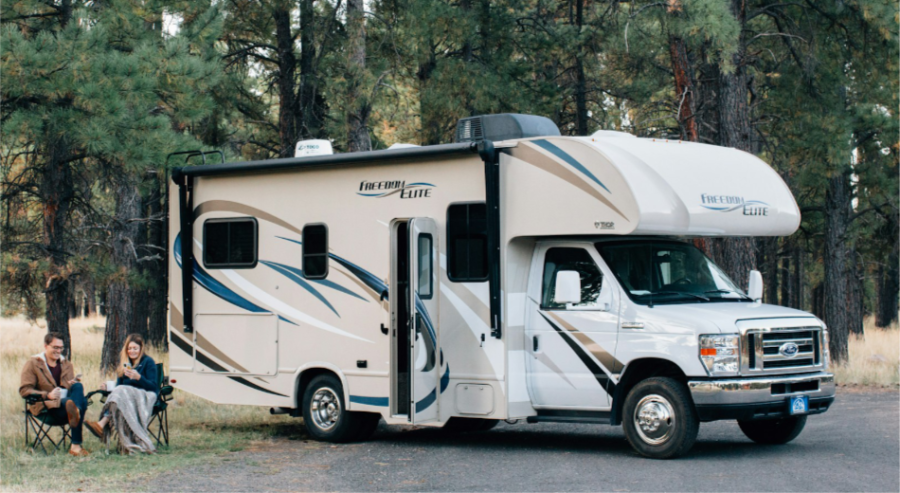
A Class C motorhome is the “middle child” of the RV world—larger and more spacious than a camper van (Class B) but smaller and easier to handle than a bus-style Class A. It’s instantly recognizable by its cab-over section—the portion that extends over the driver’s cab, often used as a bed or storage area.
- Pros: A good balance of size, drivability, and comfort. More affordable than a Class A. Easier to maneuver and park.
- Cons: Still large and not great for exploring cities. Less storage and living space than a Class A.
3. Super C Motorhome
A Super C motorhome is the heavyweight champion of the Class C RV world—think of it as a Class C on steroids. It blends the familiar cab-over design of a Class C with the power, durability, and towing capacity of a commercial truck chassis.
- Pros: Combines the drivability of a Class C with the power and towing capacity of a semi-truck. Extremely powerful for towing heavy loads. Very stable on the road.
- Cons: Very expensive and consume a lot of fuel. Much larger and heavier than a standard Class C.
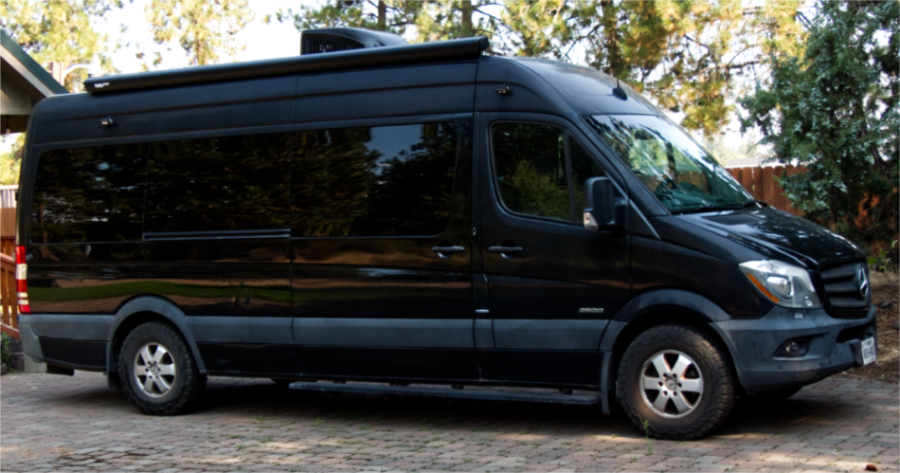
A Class B RV, often called a camper van, is the smallest type of motorhome—but don’t let its size fool you. These compact rigs pack a surprising amount of functionality into a van-sized shell
- Pros: Easy to drive and park anywhere, including city streets. Can be used as a second vehicle. Best fuel economy of all motorhomes.
- Cons: Very limited living and storage space. Best for solo travelers or a couple, not a family. Often lacks a full bathroom.
Towable RVs (You Haul Them)
A towable RV is any type of recreational vehicle that doesn’t have its own engine and must be pulled by another vehicle, such as a truck, SUV, or even a car in some cases. Unlike motorhomes (which you drive), towables are hitched to your vehicle and come in many shapes and sizes.
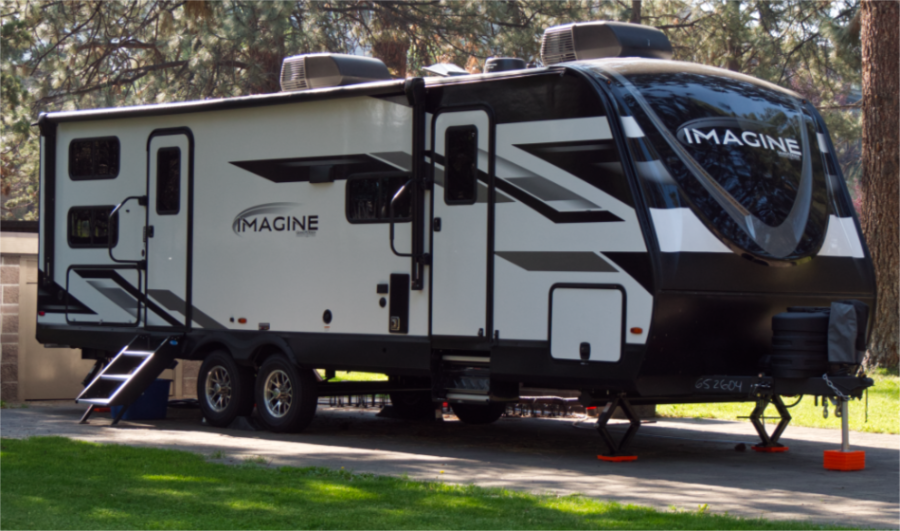
A travel trailer is a towable RV (recreational vehicle) that offers a mobile living space without its own engine—meaning it’s pulled by a separate vehicle, usually a truck or SUV. It’s one of the most popular types of RVs thanks to its versatility, affordability, and wide range of sizes and layouts.
- Pros: Huge variety of floor plans and price points. You can unhitch and use your tow vehicle for day trips. Generally more affordable than motorized RVs.
- Cons: Requires a separate tow vehicle with proper towing capacity. Can be difficult to back up and maneuver.
2. Fifth Wheel
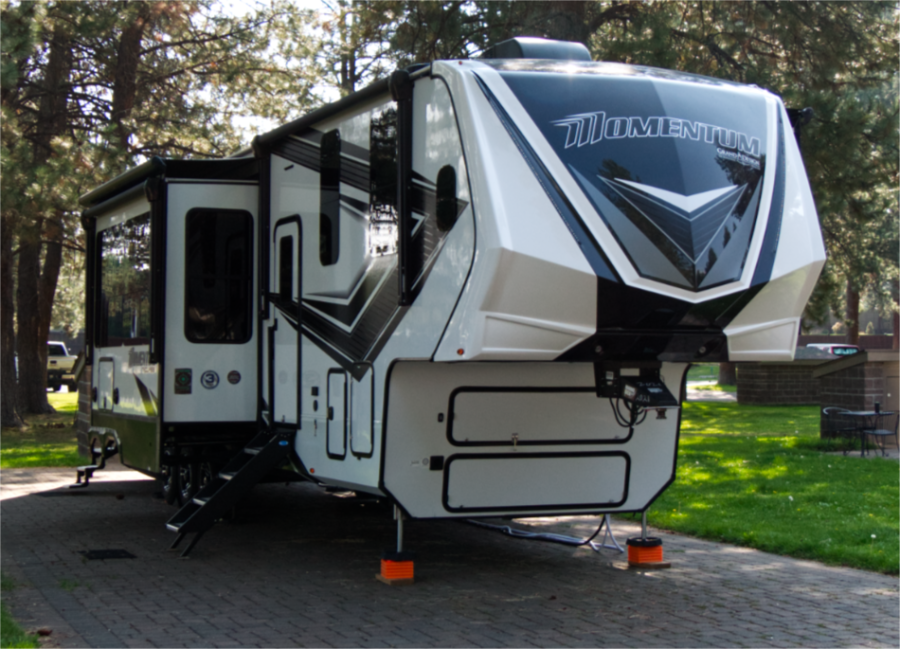
A Fifth Wheel is a type of towable RV that’s known for its spacious design and unique hitching system. It’s a favorite among full-time RVers and road trip enthusiasts who want a home-like feel while traveling
- Pros: The largest and most spacious towable RVs, often with multiple levels and residential amenities. The hitch placement makes them easier to tow and maneuver than a travel trailer.
- Cons: Requires a heavy-duty pickup truck. Takes up the entire truck bed, limiting cargo space.
3. Toy Hauler
A toy hauler is a type of RV (recreational vehicle) that combines living quarters with a built-in garage space—perfect for adventurers who want to bring along their “toys” like ATVs, motorcycles, dirt bikes, kayaks, or snowmobiles, or other gear. A toy hauler can be a travel trailer with a garage space in back, or a fifth wheel with the garage in back.
- Pros: Perfect for families with active hobbies that require a lot of gear. The garage can also convert into a bunkhouse, patio, or living space.
- Cons: The garage area reduces interior living space. Can be heavier and more expensive than a comparable RV without a garage.
4. Truck Camper
A truck camper is a self-contained RV unit that slides into the bed of a pickup truck.
They don’t have their own engine (like a motorhome) and aren’t towed (like a trailer)—instead, they essentially turn your truck into an RV.
- Pros: You get the convenience of a compact living space without towing anything. Ideal for off-roading and boondocking.
- Cons: Very limited living space. Can be top-heavy and require a very specific, heavy-duty truck.
5. Pop-Up Camper
A Pop-Up Camper, sometimes called a tent trailer or folding camper, is one of the most affordable and lightweight types of RVs. It’s designed to collapse down for towing and storage and then “pop up” into a livable space when you arrive at your campsite.
- Pros: Very affordable and easy to tow with most vehicles. Simple to store in a garage or driveway.
- Cons: Minimal amenities. Requires setup and tear-down time. Exposed to the elements.
Step 3: Your RV Family Decision Checklist
Before you head to the dealership, use this checklist to narrow down your search.
- How much space do we need?
- Class A/Fifth Wheel: If you’re a family of 4+ and want to live comfortably for extended periods.
- Class C/Travel Trailer: If you’re a smaller family or just doing weekend trips.
- Truck/Pop-Up Camper: If you’re a small family or couple focused on simplicity and adventure.
- What’s our budget?
- Travel Trailers/Pop-Ups: Best for a tighter budget.
- Class C/Fifth Wheels: Mid-range investment.
- Class A/Super C: High-end, luxury investment.
- What do we have to tow with?
- Small SUV/Sedan: A small pop-up or lightweight travel trailer is your only option.
- Full-Size SUV/Half-Ton Truck: You can tow most travel trailers.
- Heavy-Duty Truck (2500/3500): This opens up all travel trailers and fifth wheels.
👉 You Might Enjoy This: Road Safety Tips Every RVer Needs to Know
Conclusion: Trust Your Gut (and the Numbers)
Choosing an RV is a big decision, but it should be an exciting one. The best approach is to do your research, be honest about your needs and budget, and then visit a dealership to get a feel for the different layouts.
Remember, the goal is to find a home on wheels that will make your family happy for years to come. What’s the most important feature you’re looking for in your next RV?
